Giving my Elgato Key Lights native Matter
My Elgato Key Lights would stop responding at least once a week. I used them through Homebridge, and I never pinned down whether the failure was in the bridge or the lights’ controllers. The fix was always another power cycle.
So I replaced the controllers in both lights with ESP32-C3 boards running Rust firmware with native Matter support. They now join Apple Home directly, with power, brightness, and colour-temperature controls. Homebridge is out of the control path. One less dependency is a nice improvement by itself.
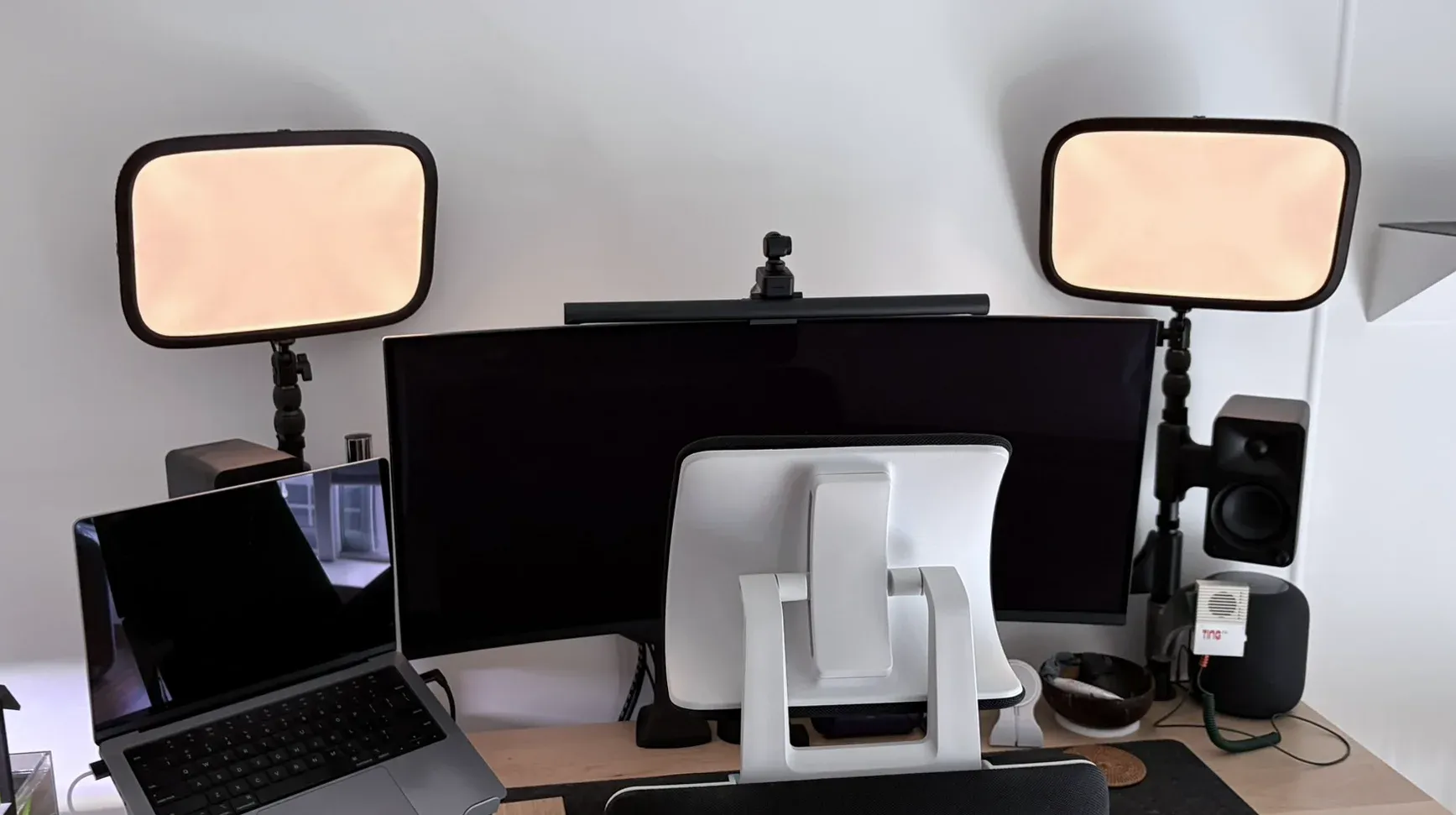
Both modified lights are working well so far. There’s one remaining annoyance: a faint orange glow while they’re off. A resistor experiment made it dimmer, but I haven’t confirmed a complete fix.
The firmware and build notes are in Key Right on GitHub. This is a modification of the original full-size Key Light; other models and board revisions may differ.
Five wires, most of the lamp unchanged
The original Realtek controller talks to a separate PCA9635 LED controller. That made the swap fairly contained: remove the Realtek module, fit an ESP, and keep the PCA9635, LED power circuitry, panels, housing, and original supply.
The replacement needs five wires: power, ground, I²C data, I²C clock, and output enable.
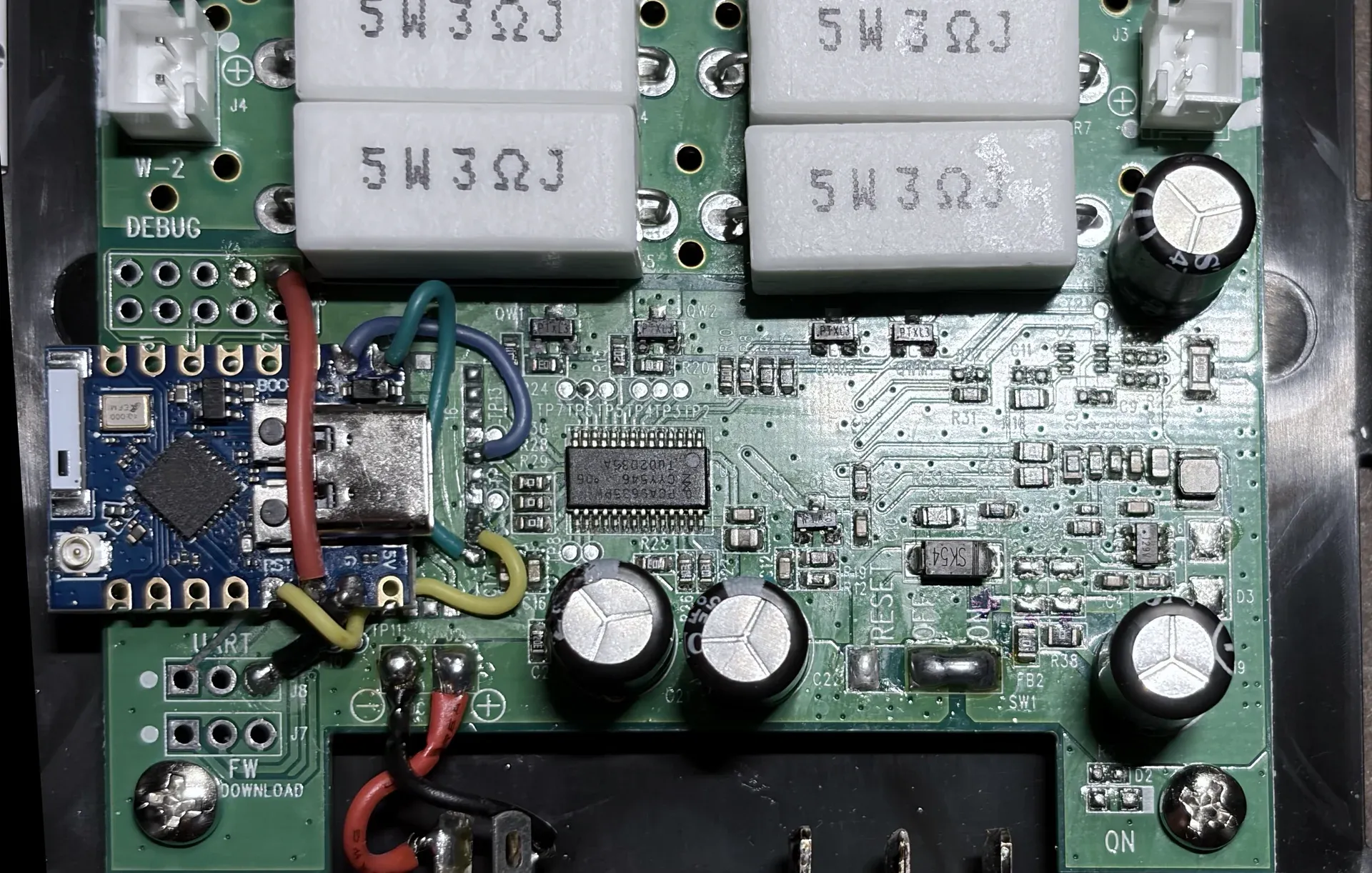
I’m still an amateur hobbyist, with about four projects behind me, and I found this one fairly easy. The fiddliest part was soldering the wires between the ESP and the small pads. It’s doable with patience, but checking for solder bridges and verifying continuity is part of the job.
Removing the old module went well with a heated bed at 130°C and a hot-air gun at 175°C. Start at a corner and lift lightly once the solder melts. Pulling too hard can take traces with it.
My boards have external antenna connectors, but I’ve had a solid connection without adding antennas, including with the lamps closed up.